Almost all farm management decisions have a tax impact. Federal, state and local governments all collect revenue for needed public services from property transfers, income earned from farm sales, taxes on personal and real property, and sales tax. This page provides basic information on the various forms of taxation for new farmers to factor into their farm planning and management decisions. Note that some of the information presented here may not be applicable to farmers in states other than North Carolina.
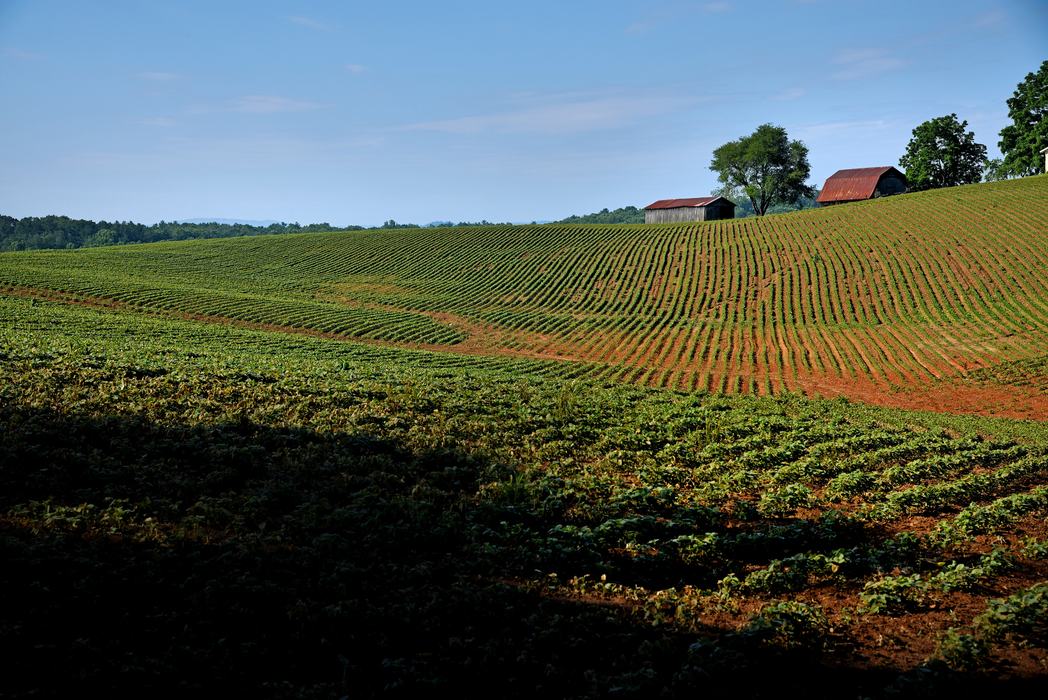
Property Taxes & Present Use Value
Through a program called Present Use Valuation, North Carolina farmers have the potential to reduce their annual property tax bill. This program assigns property values to qualifying farmland based on its value as agricultural land, as opposed to more lucrative uses such as development. Here is an NCSU Cooperative Extension Fact Sheet Present Use Value: Transferring Property Enrolled in Present Use Value Property Taxation on qualifying for and maintaining agriculture, horticulture and forest property tax deferrment.Income Taxes
As with almost any business venture, North Carolina farmers must report their income and may count certain farm related expenses as a deduction from taxable income. This is done on the federal tax return using a form known as a Schedule F. Deductions might include expenses such as seed, fertilizer, insurance, equipment, supplies and more. For more information, farmers may wish to download the current year Publication 225 (Farmer's Tax Guide) from the website of the Internal Revenue Service.Sales Tax on Products Sold
Farmers must charge sales tax on certain products they sell, and then remit those collected taxes to the N.C. Department of Revenue. However, North Carolina Farmers are exempt from charging sales tax on raw agricultural commodities that they produce. Here is an NCSU fact sheet Sales Tax: Exemptions for Farm Product Sales. backed by a
.