All farming is a public act to some degree, in that all commercial farm management decisions reach one or more persons among the general public, whether as consumers of farm products or simply coming into contact with the incidents of farming on the farm, on neighboring land, or in public spaces such as roads and markets. Sometimes, these interactions cause injury. When an injury occurs, a two-part inquiry is triggered: whether the injury traceable to the farmer's operation, and whether the farm operator (or landowner) responsible for the damages incurred by the injured person. The second inquiry may be rephrased as: "Yes, this member of the public was injured (on the farm) (by eating the farmer's product) (in a road accident involving farm equipment [or livestock]), but is the farmer liable for the injury?" This page discusses this question in the context of food safety, farm and land safety, and safe operation of vehicles in the public right of way. This page also discusses the farmer's risk management decisions, particular whether to purchase insurance to defend and compensate injury claims caused by the farmer.
Livestock Liability
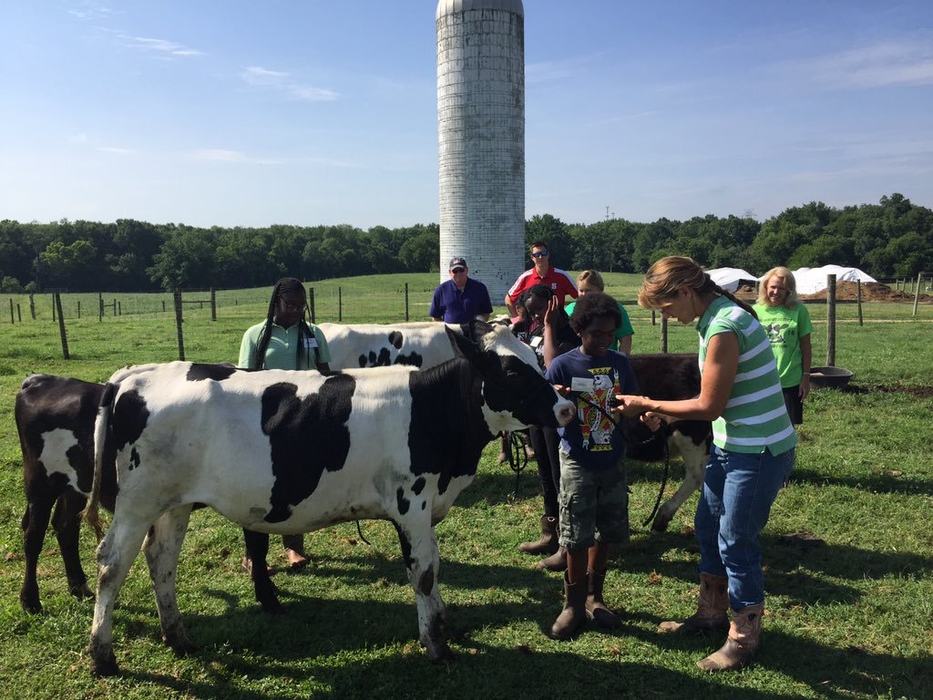
This section should answer questions on the status of North Carolina law regarding farm operator and landowner liability for injuries from animals on and off the farm. This publication is in response to questions from livestock agents and members of the public on such matters, such as when a cow pushes through a fence or gate and is discovered out on the highway by a motorist or law enforcement.Products Liability
Farmers should understand the risks associated with selling products to the public, and how to mitigate those risks. While having appropriate insurance is often advisable, there is no substitute for following production and handling processes that reduce risk to the consumer of the final product.Raw Milk
Selling raw milk for human consumption is illegal in North Carolina. Many feel that pasteurization of milk - a major public health achievement of the early 20th century - nonetheless removes beneficial attributes of milk in its raw form. While state laws generally require pasteurization of milk for its legal sale to consumers, states have begun to relax this requirement, including North Carolina. A forthcoming article will be linked here which will cover the “legalization” of raw milk and associated liability issues.