

What Should I Do With 10 Acres of Land?
go.ncsu.edu/readext?797030
en Español / em Português
El inglés es el idioma de control de esta página. En la medida en que haya algún conflicto entre la traducción al inglés y la traducción, el inglés prevalece.
Al hacer clic en el enlace de traducción se activa un servicio de traducción gratuito para convertir la página al español. Al igual que con cualquier traducción por Internet, la conversión no es sensible al contexto y puede que no traduzca el texto en su significado original. NC State Extension no garantiza la exactitud del texto traducido. Por favor, tenga en cuenta que algunas aplicaciones y/o servicios pueden no funcionar como se espera cuando se traducen.
Português
Inglês é o idioma de controle desta página. Na medida que haja algum conflito entre o texto original em Inglês e a tradução, o Inglês prevalece.
Ao clicar no link de tradução, um serviço gratuito de tradução será ativado para converter a página para o Português. Como em qualquer tradução pela internet, a conversão não é sensivel ao contexto e pode não ocorrer a tradução para o significado orginal. O serviço de Extensão da Carolina do Norte (NC State Extension) não garante a exatidão do texto traduzido. Por favor, observe que algumas funções ou serviços podem não funcionar como esperado após a tradução.
English
English is the controlling language of this page. To the extent there is any conflict between the English text and the translation, English controls.
Clicking on the translation link activates a free translation service to convert the page to Spanish. As with any Internet translation, the conversion is not context-sensitive and may not translate the text to its original meaning. NC State Extension does not guarantee the accuracy of the translated text. Please note that some applications and/or services may not function as expected when translated.
Collapse ▲This summary is intended to help new farmers decide what enterprises are feasible on 10 acres of cleared and fertile land. It is a companion article to this overall resource on enterprise selection.
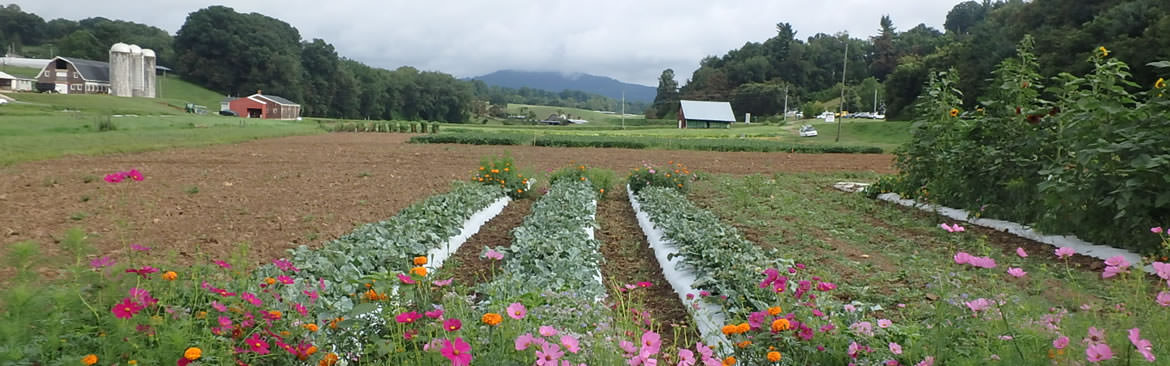
VEGETABLES/HERBS/CUT FLOWERS
These enterprises are only feasible if an adequate supply of water is available for irrigation and other needs. These enterprises have high labor requirements and new farmers may want to start with substantially less than ten acres.
FRUITS/NUTS
If no on-site water source is available, it may be possible to grow blueberries, blackberries, grapes, figs and pawpaws on a small portion of the acreage, but only if it’s feasible to haul in water periodically during the first year after planting and in times of drought. Where an adequate supply of water is available, other fruit crops become feasible, including strawberries, apples, peaches/nectarines, pears, persimmons, chestnuts and pecans.
GREENHOUSE/NURSERY
These enterprises are only feasible if an adequate supply of water is available for irrigation and other needs. Greenhouse and nursery crops are very labor intensive and new farmers may want to initially produce significantly less than ten acres.
LIVESTOCK/FORAGES
With an adequate water supply, ten acres is suitable to raise poultry for meat or eggs, as well as small ruminants (goats and sheep). A handful of beef cattle might also be possible. Forage production (e.g. hay or silage) is feasible even on non-irrigated land, but at this scale most farmers would likely choose to hire out the harvest due to the prohibitive cost of purchasing equipment.
SPECIALTY GRAINS
While it’s possible to produce grains such as soybeans, wheat, corn, oats and barley even on non-irrigated land, the equipment for a mechanized operation is cost-prohibitive.
NON-TIMBER FOREST PRODUCTS
In shady areas of the property, it may be possible to raise woodland botanicals and/or log-grown mushrooms. In both cases, irrigation is essential. Small amounts of firewood might also be harvested.
TIMBER PRODUCTION
Raising trees for timber is a reasonable option on ten acres, even if no water is available.